 INFINITY TITLE INFO
Title agencies
Closing documents recorded so final policies can issue.

Post-closing service
Deeds, mortgages, releases and assignments sent to the right county recorder by eRecording or walk-in submission. We track every document until it’s recorded, then update your system and store the recorded copy.
Overview
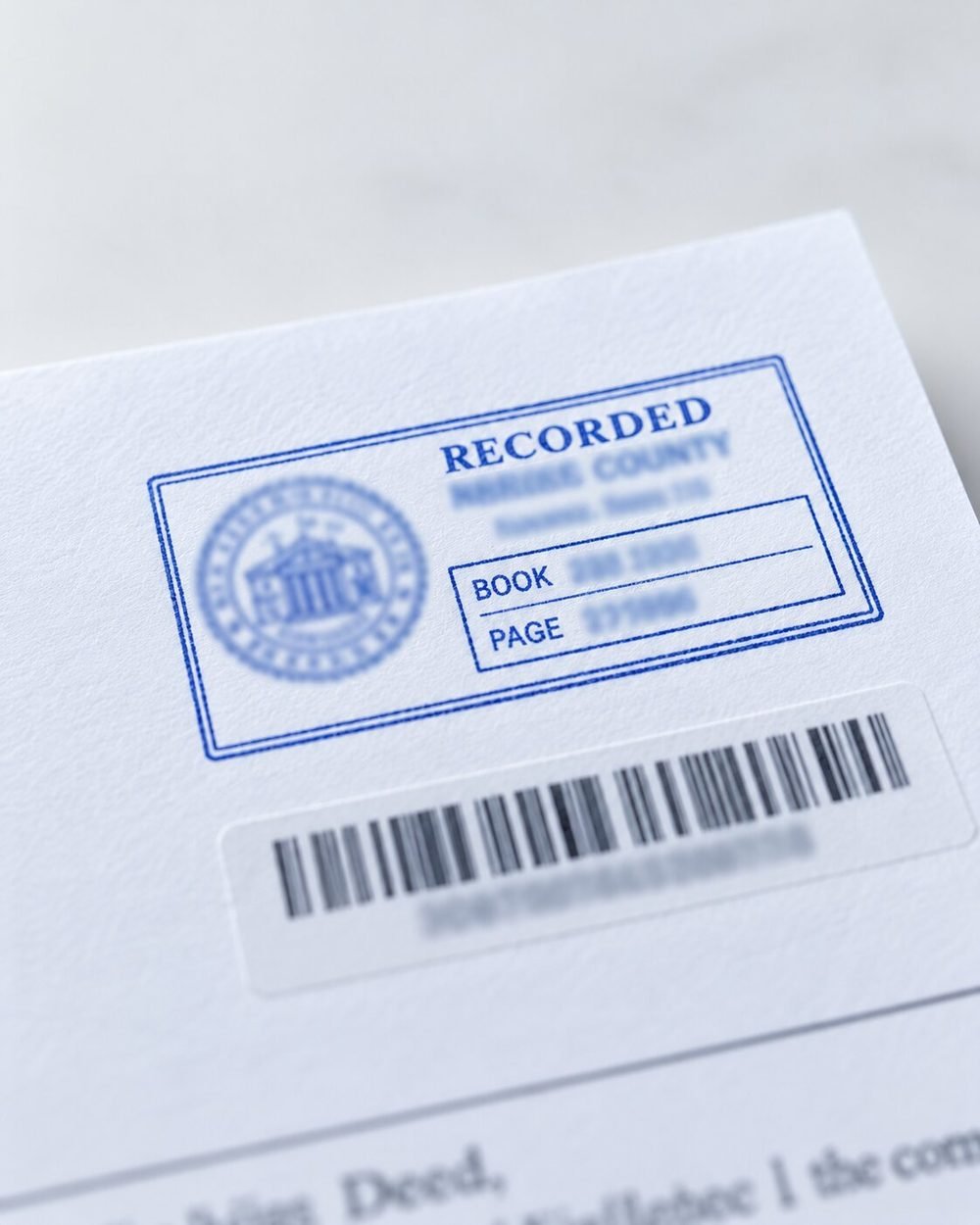
A transaction isn’t finished until the documents are on public record. Until a deed or mortgage is recorded, the new owner’s interest and the lender’s lien aren’t protected against later claims, and the final policy can’t be issued.
Our recording team prepares each document for the county it belongs in, submits it by eRecording or walk-in, and follows it until the county returns it. Once it’s recorded, we capture the recording details, update your system and store the recorded document with the file.
How it works
Every document follows the same tracked path, so you always know where it stands.
Document checked against the county’s format and fee rules.
Sent by eRecording or walk-in to the right recorder.
Status followed daily; rejections fixed and resent.
Recording date, instrument number, book and page logged.
Your system updated and the recorded copy filed.


What we handle
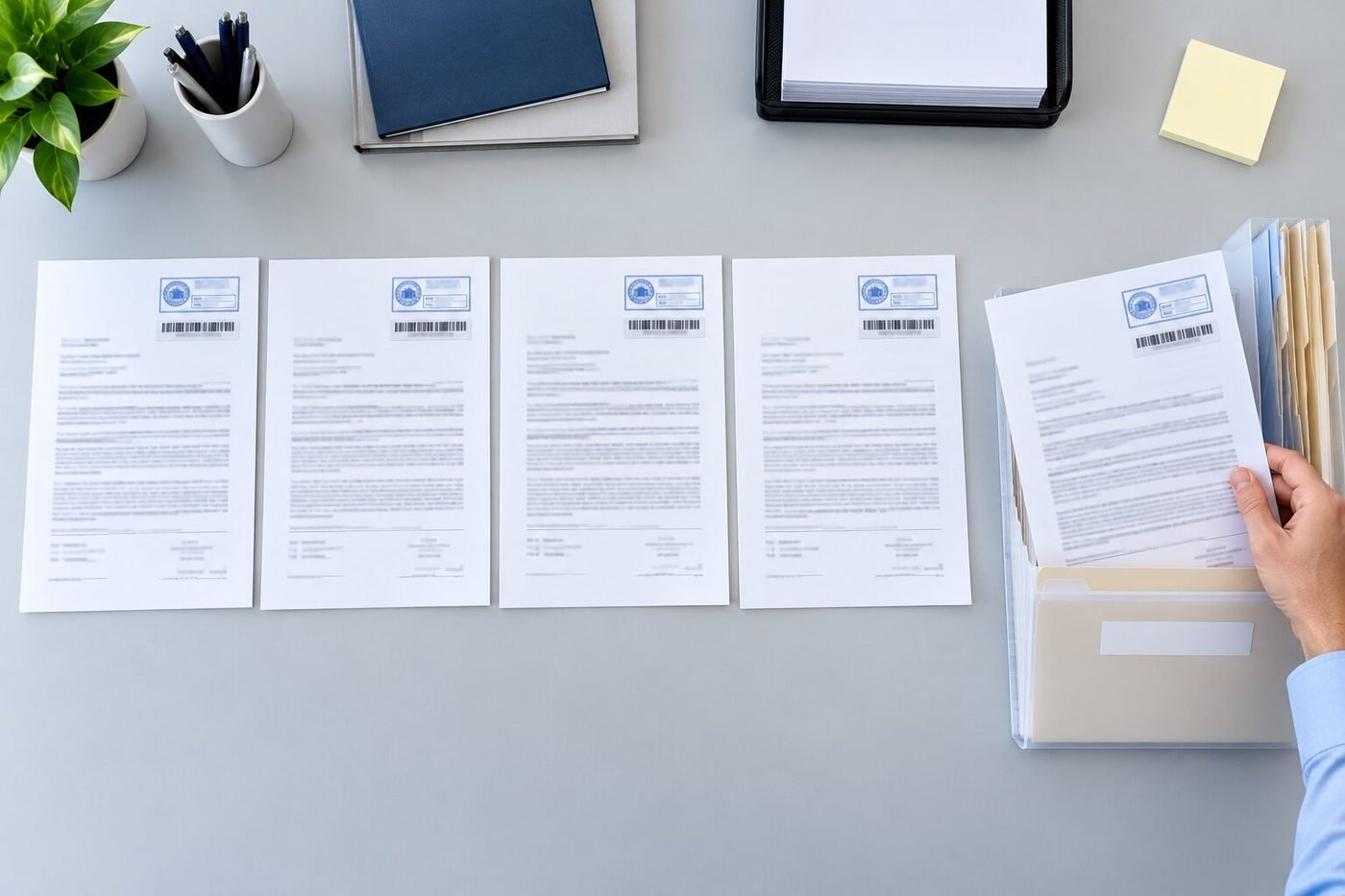
Every recording returns the same data set to your file, whatever the county.
Who it's for
Anyone who needs documents on public record, quickly and with proof.
Closing documents recorded so final policies can issue.
Insured interests confirmed on public record.
Liens perfected and releases recorded on time.
Assignments and releases recorded across portfolios.
What it fixes
The county rejected the document and nobody noticed.
How we fix itEvery submission is tracked daily; rejections are corrected and resent.
Every county has different margins, fees and cover sheets.
How we fix itDocuments are checked against the county’s rules before they go.
Recording data never makes it back into the system.
How we fix itDate, instrument number, book and page are entered as soon as it records.
Some counties still don’t accept eRecording.
How we fix itWalk-in submission covers counties that need paper.
What to expect
Documents submitted within 24 hours of receipt; recording time then depends on the county.
eRecording and walk-in recording in all 50 U.S. states.
Pre-submission checks against county rules, daily status tracking and full recording data on every document.
ISO 27001 certified. Our team works inside your platform under your access controls, so borrower data stays in your systems.
In depth
Recording is the step that turns a private agreement into public notice. A deed gives the buyer ownership; recording it tells the world. A mortgage creates the lender’s lien; recording it sets that lien’s priority. Until both happen, the transaction is exposed to later buyers, later liens and competing claims.
It also sits on the critical path for everything after closing. Final policies need recording information. Loan files need it for boarding and investor delivery. Lien releases need to be recorded before a payoff is truly complete.
A document isn’t done when it’s signed. It’s done when the county says it’s recorded.
More than three thousand counties each set their own rules: page margins, cover sheets, fee schedules, legibility standards, notary requirements and accepted submission methods. A document that records cleanly in one county is rejected in the next. When rejections come back by mail or sit unread in a portal, weeks can pass before anyone notices that the deed was never recorded — often not until the final policy is due or an auditor asks for it.
Our recording team sends documents to the correct county recording authority using eRecording wherever it’s available and walk-in submission where it isn’t. Before submission, each document is checked against that county’s requirements. After submission, status is tracked every day. If a county rejects a document, we identify the reason, correct it or request what’s needed from your team, and resubmit.
Once a document is recorded, the county assigns a recording date, an instrument or document number, a book and page where applicable, and its official recording stamp. We enter those details into your system and store the recorded document with the file, so the final policy, post-close QC and your records all have what they need.
Because every recording returns the same data set, your team can see at a glance which documents are recorded, which are pending and which need attention. That visibility is what lets final policies issue on time and keeps unrecorded documents from becoming audit findings months later.
Recording data entered in the platforms you run.
Questions
Both. We use eRecording wherever the county accepts it and walk-in submission for counties that require paper or have specific in-person requirements.
Deeds, mortgages and deeds of trust, releases and satisfactions, assignments, powers of attorney, affidavits and corrective documents, along with other instruments your transactions need.
We identify the reason, correct the document or request what’s needed from your team, and resubmit as quickly as possible.
The recording date, instrument or document number, book and page where applicable, and the recorded document with its official stamp.
Yes. Recording details are entered into your title or loan platform and the recorded document is stored with the file.
We calculate the fees each county requires so documents aren’t rejected for incorrect amounts. Payment is handled in the way agreed with your team.
Most documents are submitted within 24 hours of receipt. The time to record then depends on the county.
Yes. Many clients use us to obtain the release after payoff and then record it, so the lien is cleared from public record.

Let's talk
Tell us your monthly recording volume and the counties you work in. We'll show you how our team would handle them.
877-463-8485